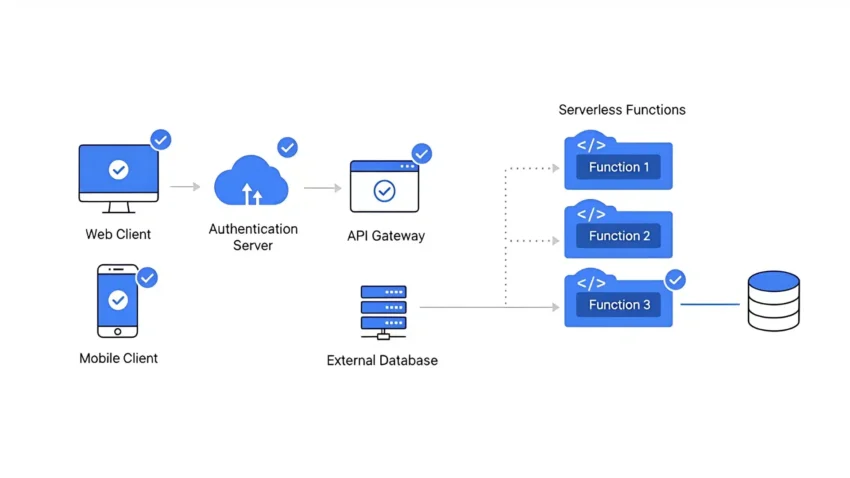
Serverless Computing: A Complete Guide to the Future of Cloud Application Development
Serverless Computing has become one of the most talked-about approaches to modern cloud development. Despite its name, serverless technology does not mean that applications run without servers. Instead, cloud providers manage the underlying servers, operating systems, networking, and much of the infrastructure required to run an application. Developers can therefore focus more on writing code and creating useful features rather than managing physical or virtual machines.
The growing popularity of Serverless Computing comes from its flexibility, scalability, and cost-efficient approach. Businesses of all sizes are exploring serverless platforms to build websites, APIs, mobile backends, automation tools, and data-processing applications.
What Is Serverless Computing?
Serverless Computing is a cloud computing model in which a cloud provider automatically manages the infrastructure needed to execute application code. Developers typically upload small pieces of code, often called functions, and the cloud platform runs those functions when specific events occur.
For example, imagine an online store where a customer uploads an image. A serverless function could automatically resize the image, store different versions, and update the database. The developer does not need to maintain a dedicated server that remains active all day.
Popular serverless platforms include AWS Lambda, Azure Functions, and Google Cloud Functions. These services allow developers to execute code without directly managing traditional servers.
How Does Serverless Computing Work?
Serverless applications are commonly based on an event-driven architecture. An event can be almost anything, such as an HTTP request, a file upload, a database change, or a scheduled task.
When an event occurs, the cloud provider starts the required function and provides the computing resources needed to complete the task. After the function finishes, the resources can be released.
This model can be particularly useful when workloads change frequently. Instead of paying for a server that may remain idle, businesses can use computing resources when they are actually needed.
Serverless platforms also handle many infrastructure responsibilities automatically. Depending on the provider and service, this can include scaling, server maintenance, security patches, availability, and resource allocation.
Benefits of Serverless Computing
One of the biggest advantages of Serverless Computing is automatic scalability. If an application suddenly receives thousands of requests, the cloud platform can increase resources according to demand. This can reduce the need for developers to manually configure additional servers.
Another major benefit is cost efficiency. Traditional applications may require continuously running infrastructure, even during periods of low traffic. With serverless services, pricing is often based on factors such as the number of requests and the amount of computing time consumed. This can make serverless attractive for applications with unpredictable or intermittent workloads.
Serverless Computing can also improve developer productivity. Developers spend less time maintaining infrastructure and more time building application functionality. Teams can deploy individual functions independently, which may make development and updates more flexible.
Challenges of Serverless Computing
Although Serverless Computing offers many advantages, it is not perfect for every project. One common concern is cold starts. When a function has not been used recently, the platform may need additional time to initialize its execution environment. For applications that require extremely fast responses, this delay can sometimes matter.
Monitoring and debugging can also become more complicated. A serverless application may contain many independent functions, databases, APIs, and cloud services. Understanding how all these components interact requires suitable monitoring and logging tools.
Another challenge is vendor dependency. Once an application relies heavily on the services and features of a particular cloud provider, moving it to another platform may require significant development work.
Developers also need to understand serverless security. Although the cloud provider manages much of the infrastructure, application code, permissions, APIs, and data still need proper protection.
Serverless Computing vs. Traditional Servers
Traditional server-based applications usually run on virtual or physical machines that developers or IT teams configure and maintain. The team may be responsible for operating systems, server capacity, software updates, networking, and scaling.
Serverless Computing shifts much of this responsibility to the cloud provider. Developers generally concentrate on application code while the provider manages the infrastructure.
This does not mean traditional servers are outdated. Many applications still benefit from dedicated or virtual servers, especially when they require long-running processes, highly customized environments, or predictable workloads.
The right choice depends on the application’s requirements, budget, performance expectations, and architecture.
Common Uses of Serverless Computing
Serverless technology can be used in many areas of software development. Developers often use it to create APIs and backend services for web and mobile applications. It can also handle automated tasks such as sending notifications, processing files, generating reports, and responding to database events.
Businesses may use serverless functions for image processing, data transformation, scheduled jobs, authentication workflows, and Internet of Things applications.
Because functions can respond to individual events, Serverless Computing works particularly well for applications where different actions need to happen automatically after a specific event.
Is Serverless Computing the Future?
Serverless Computing is unlikely to replace every traditional infrastructure model, but it is an important part of modern cloud development. Its ability to scale automatically and reduce infrastructure management makes it attractive to startups, enterprises, and development teams.
As cloud platforms continue to improve their serverless offerings, developers are gaining access to better performance, monitoring, security features, and integration with other cloud services.
The most important lesson is that serverless is not simply about removing servers from development. It represents a different way of designing and operating applications. By allowing developers to focus on business logic while cloud providers manage much of the infrastructure, Serverless Computing can make certain applications easier to build, deploy, and scale.
FAQs About Serverless Computing
1. What is Serverless Computing?
Serverless Computing is a cloud-based approach where cloud providers manage the servers and infrastructure required to run applications. Developers focus mainly on writing and deploying code instead of maintaining servers.
2. How does Serverless Computing work?
Serverless Computing usually works through event-driven functions. When an event occurs, such as an API request, file upload, or database update, the cloud platform runs the required function and provides the necessary computing resources.
3. What are the main benefits of Serverless Computing?
The main benefits include automatic scaling, reduced infrastructure management, flexible pricing, faster development, and the ability to focus more on application features rather than server maintenance.
4. Is Serverless Computing really serverless?
No. Servers are still required to run the application. The term “serverless” means that developers do not have to directly manage or maintain those servers because the cloud provider handles the underlying infrastructure.
5. What are some popular Serverless Computing platforms?
Popular platforms include AWS Lambda, Azure Functions, and Google Cloud Functions. These services allow developers to run application code without managing traditional servers.
6. Is Serverless Computing cheaper than traditional servers?
It can be cheaper for applications with variable, unpredictable, or occasional workloads because businesses generally pay according to actual usage. However, costs depend on factors such as execution time, requests, data transfer, and the services used.
7. What are the disadvantages of Serverless Computing?
Common challenges include cold-start delays, more complicated monitoring, architectural complexity, security configuration requirements, and potential dependence on a particular cloud provider.
8. Is Serverless Computing suitable for every application?
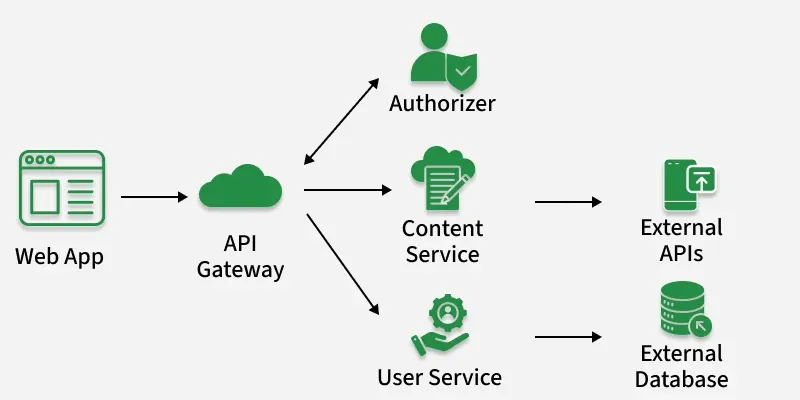
No. Serverless Computing works especially well for event-driven applications, APIs, automation, file processing, and workloads that change frequently. Applications requiring long-running processes or highly customized server environments may be better suited to other cloud architectures.
Final Thoughts
Serverless Computing provides a flexible approach to modern application development. It can reduce infrastructure responsibilities, support automatic scaling, and potentially lower costs for suitable workloads. At the same time, developers must consider issues such as cold starts, monitoring, security, architecture complexity, and dependence on cloud providers.
For businesses considering serverless technology, the best strategy is to evaluate the specific needs of each application rather than adopting serverless simply because it is popular. When used for the right workloads, Serverless Computing can be a powerful tool for creating scalable, efficient, and modern cloud applications.