Internet Computing: How the Internet Powers Modern Life and Technology
The internet has become one of the most important technologies in modern life. From communication and education to business, entertainment, banking, and healthcare, people rely on internet-based services every day. Behind these simple activities is a broad field known as Internet Computing, which focuses on using computer systems, networks, software, cloud platforms, and web technologies to provide services through the internet.
Internet computing is not limited to browsing websites. It includes the technologies that allow computers and smart devices to communicate, exchange information, store data, run applications, and provide online services. As internet access continues to expand, understanding how internet computing works has become increasingly important for students, professionals, businesses, and everyday users.
What Is Internet Computing?
Internet computing refers to the use of computing resources and technologies through internet-connected systems. Instead of depending entirely on a single computer, users can access applications, files, databases, and services from remote servers through an internet connection.
A simple example is online email. A user can log into an email account from a phone, laptop, or tablet without needing to store every message locally. The messages are processed and stored on remote systems, while the user accesses them through an internet connection.
Similarly, streaming platforms, online shopping websites, cloud storage services, social networks, and web-based business applications all depend on internet computing.
How Internet Computing Works
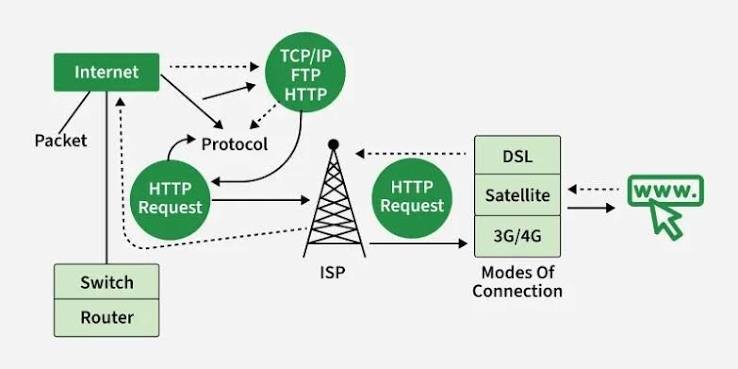
Internet computing relies on several technologies working together. When someone opens a website, their device sends a request through a network to a remote server. The server processes the request and sends information back to the user’s device.
Several components can be involved in this process. Internet protocols help devices communicate, while servers handle requests and provide resources. Databases store information, and web applications process user interactions.
Cloud computing has also become an important part of internet computing. Cloud platforms allow organizations to use computing power, storage, and software services without maintaining all of the physical infrastructure themselves. This can make technology more flexible and scalable.
Major Technologies Used in Internet Computing
Internet computing includes a wide range of technologies. Web development is one of the most visible areas because websites and web applications provide services directly to users.
Cloud computing is another major component. Businesses can use cloud infrastructure to host applications, store data, and manage large workloads. This allows companies to increase or reduce resources according to demand.
Databases are also essential. Websites and applications often need to store information about users, products, transactions, documents, and other digital resources. Databases make it possible to organize and retrieve this information efficiently.
Application programming interfaces, commonly called APIs, allow different software systems to communicate with one another. For example, an application may use an external service to process payments, display maps, or provide weather information.
Artificial intelligence and machine learning are increasingly connected with internet computing as well. Online services can use these technologies to analyze large amounts of information, personalize recommendations, automate tasks, and improve user experiences.
Benefits of Internet Computing
One of the biggest advantages of internet computing is accessibility. Users can often access their applications and information from different locations and devices as long as they have a suitable internet connection.
Another benefit is collaboration. Teams located in different cities or countries can work on shared documents, communicate through online platforms, and manage projects remotely. This has changed the way many organizations operate.
Internet computing can also reduce infrastructure requirements. Instead of purchasing and maintaining every computing resource locally, businesses can use online services that provide storage, processing power, software, and other resources.
Scalability is another important advantage. Online systems can be designed to support a small number of users and then expand as demand increases. This is particularly useful for growing businesses and popular digital services.
Internet Computing in Everyday Life
People interact with internet computing more often than they may realize. Online banking allows customers to manage accounts without visiting a physical branch. Online education platforms provide access to courses, lectures, assignments, and digital resources from almost anywhere.
Businesses use internet computing for e-commerce, customer support, marketing, communication, inventory management, and remote work. Healthcare organizations can use connected systems for appointment management, digital records, communication, and certain remote services.
Even entertainment depends heavily on internet computing. Music streaming, video platforms, online gaming, and digital publishing all require powerful computing systems and networks operating behind the scenes.
Security and Privacy Challenges
Although internet computing provides many benefits, it also creates security and privacy challenges. Because information travels across connected systems, organizations need to protect sensitive data from unauthorized access.
Strong passwords, multi-factor authentication, encryption, secure software development, regular updates, and reliable backup systems are important security practices. Users should also be careful when clicking unknown links, downloading unfamiliar files, or sharing personal information online.
Privacy is another major concern. Many online services collect information about users and their activities. Organizations therefore need responsible policies for collecting, storing, processing, and protecting personal data.
The Future of Internet Computing
The future of internet computing is likely to involve even greater connectivity. The Internet of Things can connect household appliances, vehicles, industrial equipment, sensors, and other physical devices to online systems.
Edge computing may also become increasingly important. Instead of sending every task to a distant data center, some processing can happen closer to where data is generated. This can reduce delays and support applications that require fast responses.
Artificial intelligence, automation, cloud infrastructure, and faster networks are expected to continue changing online services. These developments could create new opportunities for businesses and individuals while also increasing the need for strong cybersecurity and responsible technology use.
Frequently Asked Questions About Internet Computing
1. What is Internet Computing?
Internet Computing is the use of computers, networks, software, servers, and online technologies to provide digital services through the internet. It allows users to access websites, applications, files, databases, and other resources from connected devices.
2. How does Internet Computing work?
Internet Computing works by connecting user devices to remote servers through internet networks. When a user requests information or a service, the request is sent to a server, processed, and then the required information is returned to the user’s device.
3. What technologies are used in Internet Computing?
Internet Computing uses several technologies, including web development, cloud computing, databases, APIs, computer networks, cybersecurity, artificial intelligence, and data storage systems. These technologies work together to deliver reliable online services.
4. What are the benefits of Internet Computing?
Internet Computing provides many benefits, including easy access to information, remote collaboration, flexible storage, faster communication, scalability, and access to online applications. It also allows businesses to provide services to customers across different locations.
5. How is Internet Computing used in everyday life?
People use Internet Computing when they send emails, watch online videos, shop on websites, use online banking, attend virtual classes, store files in the cloud, play online games, or communicate through social media platforms.
6. Is Internet Computing secure?
Internet Computing can be secure when appropriate security measures are used. Encryption, strong passwords, multi-factor authentication, software updates, secure networks, and regular backups can help protect systems and personal information from cyber threats.
7. What is the role of cloud computing in Internet Computing?
Cloud computing provides remote access to computing resources such as storage, servers, databases, and applications. It is an important part of Internet Computing because businesses and individuals can use these resources without maintaining all the necessary hardware themselves.
8. What is the future of Internet Computing?
The future of Internet Computing is expected to include more artificial intelligence, cloud services, Internet of Things devices, edge computing, automation, and faster networks. These technologies will continue to expand the ways people and organizations use connected digital services.
Conclusion
Internet computing is a fundamental part of the digital world. It combines networks, servers, software, databases, cloud services, and other technologies to deliver useful computing resources through the internet. From sending an email to running a global online business, countless activities depend on these systems.
As technology continues to develop, internet computing will likely become even more deeply integrated into education, business, communication, entertainment, and everyday life. Learning its basic concepts can help people better understand the technology they use and make more informed decisions about digital security, privacy, and online services.
The growth of internet computing shows that modern computing is no longer limited to individual machines. It is increasingly about connected systems working together to make information and digital services available whenever and wherever they are needed.