
Introduction
Cloud monitoring is an important part of managing modern cloud-based systems.
It helps businesses keep their applications, servers, and databases running smoothly.
By monitoring cloud resources, organizations can identify technical problems early.
It also provides useful information about system performance and resource usage.
Cloud monitoring supports better security, reliability, and overall business efficiency.
1. What Is Cloud Monitoring?
Cloud monitoring is the process of tracking cloud systems and their performance.
It allows administrators to observe servers, applications, networks, and databases.
Monitoring tools collect information about system activity and resource consumption.
This information helps technical teams understand how cloud services are performing.
When problems occur, alerts can notify the responsible team quickly.
Cloud monitoring also helps identify unusual activity and potential system failures.
Businesses can use these insights to improve their digital services.
It is an essential practice for maintaining a stable cloud environment.
2. Importance of Cloud Monitoring
Cloud monitoring helps organizations maintain consistent service quality.
It provides visibility into the health of cloud infrastructure.
Businesses can identify performance issues before they affect customers.
Regular monitoring also reduces the risk of unexpected downtime.
It helps technical teams manage computing resources more effectively.
Organizations can use monitoring data to make informed decisions.
It supports better planning as business needs continue to grow.
For these reasons, cloud monitoring is valuable for businesses of every size.
3. Cloud Performance Monitoring
Cloud performance monitoring focuses on how efficiently cloud systems operate.
It tracks measurements such as response time, processor usage, and memory consumption.
These measurements help administrators understand application behavior.
Slow response times may indicate overloaded servers or inefficient software.
Performance data makes it easier to investigate technical bottlenecks.
Teams can adjust resources when workloads increase.
This process helps applications remain responsive during busy periods.
Effective performance monitoring improves the experience of cloud service users.
4. Cloud Infrastructure Monitoring
Cloud infrastructure monitoring examines the resources supporting cloud-based services.
These resources include virtual machines, storage systems, networks, and servers.
Monitoring helps administrators check whether infrastructure components are functioning correctly.
It can reveal resource shortages and hardware-related service interruptions.
Teams can review infrastructure activity through centralized dashboards.
This visibility makes troubleshooting more organized and efficient.
It also supports better capacity planning for future workloads.
Strong infrastructure monitoring helps maintain reliable cloud operations.
5. Cloud Security Monitoring
Cloud security monitoring helps organizations identify suspicious activities in cloud environments.
It can track login attempts, access patterns, and configuration changes.
Unusual behavior may indicate unauthorized access or a security threat.
Monitoring systems can send alerts when certain risks are detected.
Security teams can investigate these warnings and take appropriate action.
Combining monitoring with access controls strengthens cloud protection.
Regular reviews also help organizations discover security weaknesses.
Cloud security monitoring is an important part of protecting digital information.
6. Cloud Monitoring Tools
Cloud monitoring tools help users observe and manage cloud resources.
They collect information from applications, servers, databases, and networks.
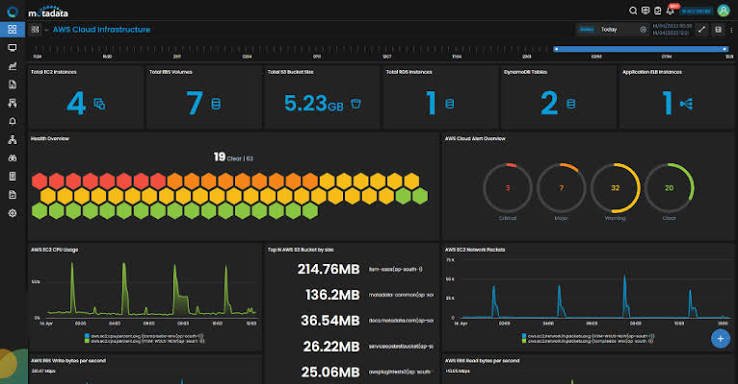
Some tools provide dashboards that display important performance measurements.
Others offer automated alerts when predefined conditions are met.
Popular options include Amazon CloudWatch, Azure Monitor, and Google Cloud Monitoring.
Third-party platforms can also support monitoring across different cloud providers.
The best tool depends on technical requirements, budget, and infrastructure design.
Choosing a suitable solution makes monitoring easier and more effective.
7. Cloud Application Monitoring
Cloud application monitoring focuses on the health and behavior of software applications.
It tracks response times, errors, transactions, and application availability.
This information helps developers understand how users experience an application.
Frequent errors may reveal problems in code or external service connections.
Monitoring can also identify slow processes that require improvement.
Development teams can use these findings to prioritize fixes.
Regular application monitoring supports smoother updates and releases.
It helps businesses deliver more dependable digital experiences.
8. Cloud Network Monitoring
Cloud network monitoring tracks communication between cloud resources and connected systems.
It helps administrators observe traffic patterns and network performance.
Measurements may include latency, bandwidth usage, and packet loss.
These details can reveal connectivity issues and network congestion.
Monitoring also helps teams investigate unexpected traffic behavior.
A clear view of network activity supports faster troubleshooting.
Organizations can improve network configurations using collected information.
Reliable network monitoring helps cloud applications communicate efficiently.
9. Cloud Cost Monitoring
Cloud cost monitoring helps businesses understand their cloud spending.
It tracks expenses associated with computing, storage, networking, and other services.
This information can reveal resources that are being underused.
It can also highlight unexpected increases in monthly bills.
Organizations can set budgets and configure spending alerts.
Teams may reduce costs by removing unnecessary resources or adjusting capacity.
Regular reviews help align cloud spending with business priorities.
Cost monitoring encourages more responsible use of cloud resources.
10. Automated Alerts and Notifications
Automated alerts notify administrators when cloud systems require attention.
Alerts can be triggered by high processor usage or application errors.
They may also report unusual traffic or reduced service availability.
Clear alert rules help teams focus on important incidents.
Notifications can be delivered through supported email or messaging integrations.
Automation reduces the need to check every system manually.
However, alert thresholds should be reviewed to prevent excessive notifications.
A well-designed alert system supports faster and more organized responses.
11. Cloud Monitoring Best Practices
Effective cloud monitoring begins with clear goals and measurable performance indicators.
Organizations should identify their most important applications and infrastructure components.
Monitoring coverage should include availability, performance, security, and costs.
Teams should configure alerts based on realistic operating conditions.
Access to monitoring dashboards must be controlled appropriately.
Regular testing helps confirm that alerts work as expected.
Monitoring data should also be reviewed to identify recurring issues.
These practices make cloud operations more reliable and easier to manage.
12. Future of Cloud Monitoring
Cloud monitoring continues to develop as cloud technologies become more advanced.
Artificial intelligence can help identify unusual patterns in system activity.
Automated analysis may help teams investigate incidents more quickly.
Observability platforms increasingly combine metrics, logs, and traces.
These capabilities provide a broader understanding of application behavior.
Organizations are also monitoring increasingly complex multi-cloud environments.
Future solutions may offer more predictive insights and automated responses.
Businesses that adapt their monitoring strategies can manage cloud systems more effectively.
Conclusion
Cloud monitoring helps businesses maintain the health and performance of cloud-based systems.
It provides valuable insights into infrastructure, applications, security, and spending.
With suitable tools, organizations can detect problems and respond more quickly.
Regular monitoring also supports better resource management and service reliability.
A well-planned monitoring strategy helps businesses build a more dependable cloud environment.
Frequently Asked Questions (FAQs)
1. What is cloud monitoring used for?
Cloud monitoring is used to track the performance, availability, security, and resource usage of cloud systems. It helps organizations identify problems and maintain reliable services.
2. Which tools are commonly used for cloud monitoring?
Popular tools include Amazon CloudWatch, Azure Monitor, and Google Cloud Monitoring. Other platforms can provide additional features for application performance and multi-cloud management.
3. What are the main benefits of cloud monitoring?
The main benefits include early problem detection, improved system performance, reduced downtime, better security visibility, and more effective cloud cost management.