
Introduction
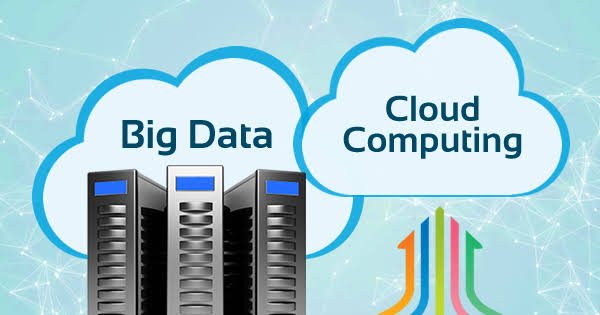
Cloud computing and big data have become the foundation of digital transformation across industries. From healthcare and finance to retail and manufacturing, organizations generate massive amounts of data every second. Managing, processing, and analyzing this information efficiently requires modern cloud infrastructure that offers scalability, flexibility, and real-time performance.
In 2026, cloud computing and big data are more closely connected than ever. Businesses use cloud platforms to store, process, and analyze enormous datasets while leveraging artificial intelligence (AI), machine learning (ML), and automation to gain valuable insights. Futuristic cloud computing concepts now represent innovation, intelligent infrastructure, secure data processing, and next-generation digital ecosystems.
This article explores the relationship between cloud computing and big data, their benefits, applications, future trends, and why they are shaping the future of technology.
What Is Cloud Computing?

Cloud computing is the delivery of computing services—including servers, storage, databases, networking, software, and analytics—over the internet instead of relying solely on local infrastructure.
Cloud platforms allow organizations to:
- Store data securely
- Run applications
- Scale resources on demand
- Improve collaboration
- Reduce infrastructure costs
- Access services from anywhere
Businesses can quickly expand their computing capacity without investing heavily in physical hardware.
What Is Big Data?
Big data refers to extremely large and complex datasets that traditional data processing systems cannot efficiently manage.
Big data is commonly characterized by the 5 Vs:
- Volume
- Velocity
- Variety
- Veracity
- Value
Organizations analyze big data to discover patterns, improve decision-making, predict trends, and automate business processes.
How Cloud Computing Supports Big Data
Cloud computing provides the infrastructure required to process and manage massive datasets efficiently.
Cloud platforms enable businesses to:
- Store petabytes of data
- Process information in real time
- Scale computing resources automatically
- Run AI and machine learning workloads
- Perform advanced analytics
- Improve disaster recovery
Without cloud computing, managing large-scale data would require expensive on-premises infrastructure.
Benefits of Cloud Computing and Big Data
1. Scalability
Organizations can increase or decrease computing resources based on demand without purchasing additional hardware.
2. Cost Efficiency
Cloud services reduce capital expenses by offering pay-as-you-go pricing models.
Businesses only pay for the resources they actually use.
3. Faster Data Processing
Cloud-based analytics platforms process enormous datasets quickly, helping organizations make faster business decisions.
4. Improved Data Security
Modern cloud providers offer advanced security features including:
- Data encryption
- Identity management
- Multi-Factor Authentication (MFA)
- Continuous monitoring
- Backup and disaster recovery
5. Better Business Intelligence
Big data analytics helps organizations understand:
- Customer behavior
- Market trends
- Sales performance
- Operational efficiency
- Business risks
These insights support better strategic planning.
Applications Across Industries
Cloud computing and big data are transforming nearly every industry.
Healthcare
- Electronic health records
- AI-assisted diagnosis
- Medical research
- Remote patient monitoring
Finance
- Fraud detection
- Risk analysis
- Digital banking
- Investment forecasting
Retail
- Personalized shopping
- Inventory management
- Customer analytics
- Demand forecasting
Manufacturing
- Predictive maintenance
- Smart factories
- Supply chain optimization
- Quality control
Education
- Online learning platforms
- Student analytics
- Virtual classrooms
- Digital collaboration
Artificial Intelligence and Cloud Computing
Artificial Intelligence has become one of the biggest drivers of cloud innovation.
Cloud platforms provide AI services that help businesses:
- Automate workflows
- Analyze customer behavior
- Detect fraud
- Improve cybersecurity
- Generate business insights
- Build intelligent applications
AI-powered cloud solutions continue making advanced technologies accessible to organizations of all sizes.
Cloud Security Challenges
Despite its advantages, cloud computing also presents security challenges.
Organizations should protect against:
- Data breaches
- Misconfigured cloud storage
- Weak access controls
- Insider threats
- API vulnerabilities
- Ransomware attacks
Implementing Zero Trust security, encryption, and continuous monitoring significantly reduces these risks.
Future Trends in Cloud Computing and Big Data
The future of cloud technology continues evolving with innovations such as:
Artificial Intelligence Integration
AI will automate cloud operations and improve resource management.
Edge Computing
Processing data closer to users will reduce latency and improve performance.
Hybrid and Multi-Cloud
Organizations will increasingly combine multiple cloud providers for greater flexibility and resilience.
Quantum Computing
Future cloud platforms may integrate quantum computing capabilities for solving highly complex problems.
Green Cloud Computing
Cloud providers are investing in energy-efficient infrastructure to reduce environmental impact.
Best Practices for Businesses
Organizations should:
- Develop a cloud adoption strategy.
- Encrypt sensitive data.
- Enable Multi-Factor Authentication.
- Regularly back up important information.
- Monitor cloud environments continuously.
- Train employees on cloud security.
- Use AI-powered analytics to improve decision-making.
Conclusion
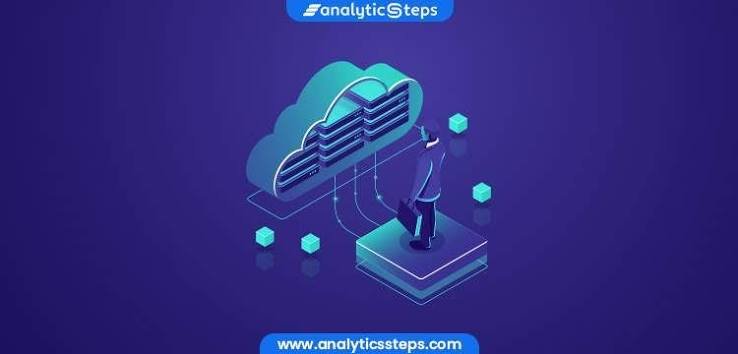
Cloud computing and big data are transforming the digital world by enabling organizations to store, process, and analyze enormous amounts of information more efficiently than ever before. Combined with Artificial Intelligence, automation, and advanced analytics, cloud technology is helping businesses improve decision-making, strengthen security, reduce costs, and accelerate innovation.
As digital transformation continues in 2026 and beyond, organizations that embrace cloud computing and big data technologies will be better positioned to compete, adapt, and succeed in an increasingly data-driven future.